
Tips for Moving Into a New Apartment
Preparing for Your Apartment Move
Moving into a new apartment is an exciting chapter, but it often comes with a blend of stress, anticipation, and logistics. Whether you’re relocating for work, education, or just for a change of scenery, preparing for your move is essential to ensuring a stress-free transition. From organizing and budgeting to packing, hiring help, and settling in—there’s a lot that goes into a successful move. In this guide, we will cover comprehensive apartment moving tips and what to do before and after moving into a new apartment.
As a trusted Atlanta moving company, we at Atlanta Peach Movers help individuals and families make smooth, stress-free moves. Read on to learn our top insights.
Before the Move: Key Steps to Take
Declutter and Downsize
When moving to a new apartment, space may be limited—so it’s crucial to declutter and only bring what you truly need. Start by going through your belongings and separating them into categories: keep, donate, sell, or discard. Not only will this help lighten your load, but it also makes packing easier.
Pay special attention to areas of your home where clutter tends to accumulate, such as closets, the garage, and kitchen drawers. Consider the layout and storage space of your new apartment to guide decisions about what stays and what goes. For example, if your new place has limited closet space, it might be worth investing in under-bed storage containers and reducing your clothing inventory.
If you need guidance on downsizing, make sure to check out our full guide on Downsizing: Here’s How.
Create a Moving Plan
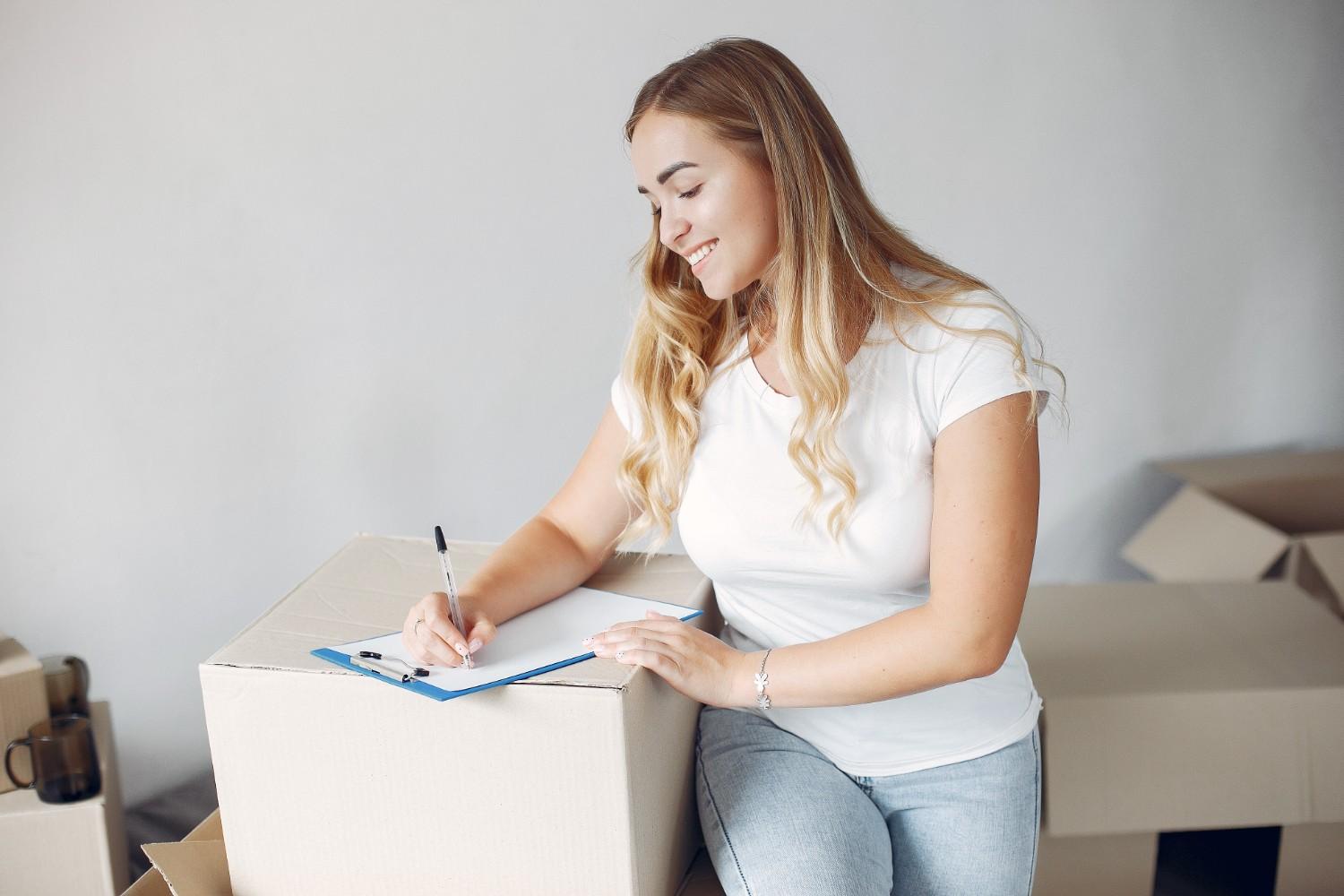
Effective planning is the foundation of a smooth move. Start your apartment moving checklist 6 to 8 weeks in advance. Schedule utilities, reserve elevators if needed, gather packing supplies, and notify your landlord or property manager about your move-in date. Creating a timeline for packing can help you avoid last-minute scrambling.
It’s also a good idea to coordinate dates with your moving company, especially if you’re moving at the start or end of the month—typically the busiest time for moving services. Keep a digital or physical checklist to stay on track with all tasks related to your move. Some people find apps like Trello or Google Keep helpful for organizing their moving to-dos.
Budgeting for Your Move
Moving can incur various costs—truck rentals, moving services, packing materials, and utility deposits add up quickly. It’s important to estimate your total expenses ahead of time. Use our resource on how to estimate your moving expenses to help you build a realistic moving budget.
In addition to the main expenses, remember to factor in incidental costs like pet deposits, parking permits, meal delivery on move-in day, and restocking essentials like pantry items and cleaning supplies. Those small purchases can add up, making it crucial to leave a buffer in your budget to avoid stress as moving day approaches.
Packing Tips and Essentials for Your Apartment Move
Packing Materials List
Having the right supplies is a game-changer for easy packing. Your apartment packing checklist should include:
- Sturdy moving boxes in multiple sizes
- Packing tape and dispensers
- Bubble wrap or eco-friendly packing paper
- Stretch wrap for securing furniture
- Labels and markers for box identification
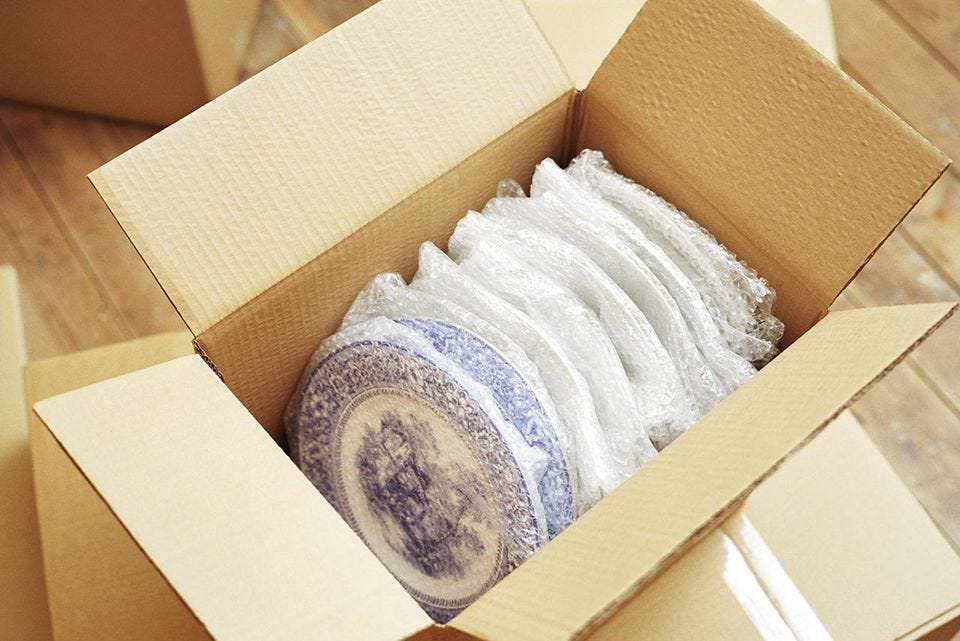
Don’t forget specialty boxes for fragile items like dishes and glassware, and consider wardrobe boxes for the easy transfer of hanging clothes. A box cutter, scissors, garbage bags, and Ziplock bags for hardware or small screws can also come in handy.
To help you fully prepare, visit our Packing Materials List for Moving.
Tips for Packing Small Spaces Efficiently
Apartment spaces are often compact, so it’s important to think creatively when packing. Here are a few tips:
- Pack items inside suitcases and baskets to save on boxes.
- Use vacuum-sealed bags for clothes and bedding.
- Stack boxes vertically in corners for better space utilization as you pack.
- Clearly label boxes by room and contents for smoother unpacking.
In tight quarters, don’t underestimate the value of multifunctional furniture that doubles as storage. Ottomans, coffee tables with hidden compartments, and under-table bins can offer additional packing options. Utilizing wall space with temporary shelving or pegboards may also help store items prior to and just after the move.
Visit our article on 10 Helpful Packing Tips and Common Mistakes When Moving to avoid common errors.
Eco-Friendly Packing Tips
If sustainability is important to you, there are several ways to make an eco-conscious move. Try using reusable bins, wrapping fragile items in towels or clothing, and donating or recycling anything you don’t need.
Other green approaches include renting plastic moving bins, avoiding single-use plastic, and sourcing boxes from retailers or neighbors through sites like Freecycle or Facebook Marketplace. Make a conscious effort to reduce single-use plastics by substituting cling wrap with fabric or biodegradable alternatives.
Learn more about reducing your environmental impact by reading our blog on eco-friendly moving tips.
Choosing the Right Moving Company
Hiring Movers for Apartment Move
Hiring movers for an apartment move can save time, reduce physical strain, and prevent damage to your belongings. Look for licensed and insured movers who have experience navigating apartment buildings, tight staircases, and specific move-in/out rules.
Read reviews on trusted platforms like Google, Yelp, and the Better Business Bureau to vet your moving company. It may also help to ask for a detailed quote or in-home estimate and inquire about additional charges, such as for stairs, long carries, or heavy items. A reputable company will walk you through each cost to avoid surprises on your final bill.
Check out our post on what to know before hiring a moving company and how to choose a moving company—even tips used for office moves can be applied to residential relocations.
Moving Day: What to Expect and How to Prepare
Preparing for Moving Day
Planning for moving day requires a proactive approach. Here’s what to do:
- Confirm arrival times with your movers.
- Pack an essentials box with toiletries, snacks, important documents, and a change of clothes.
- Do a final walkthrough of your old place to ensure nothing is left behind.
- Protect floors and walls from dings and scratches during the move.
Keep cash or digital tipping options available if you’re happy with your movers’ service. Ensure pets and children are safely away from the chaos. It might help to have a friend or family member assist in managing the small details.
Safety and Security
When moving into a shared building, paying attention to safety and logistics is important. Have someone monitor the building entrance during loading and unloading, and secure fragile or valuable items in your personal vehicle.
Also, make sure parking regulations are followed to avoid tickets or towing. If you’re in a high-rise, get approval from your building’s management for elevator reservations and protected entry access. These logistical steps reduce delays and ensure security for your belongings.
After the Move: Settling Into Your New Apartment
Unpacking Efficiently
When it comes to how to unpack after an apartment move, order and organization make all the difference. Here are a few tried-and-true strategies:
- Start with essentials—kitchenware, toiletries, and important electronics.
- Tackle one room at a time to avoid feeling overwhelmed.
- Break down moving boxes as you go to reduce clutter.
- Set up storage solutions early, especially if space is limited.
It can be helpful to create a personalized unpacking timeline for your first week. For instance, designate Day 1 for bedroom setup so you can sleep comfortably that night. Use clear plastic bins for interim organization, which allow you to see what’s inside even if you don’t get to it immediately.
For those moving with others, especially roommates, our Moving With Roommates guide shares smart ways to coordinate shared responsibilities and avoid conflict.
Exploring Your New Neighborhood
After the last box is unpacked, spend time getting to know your neighborhood. Research nearby grocery stores, parks, and restaurants. Connect with neighbors and explore local attractions to make your new apartment feel like home.
Attend community events, check out nearby recreation centers or gyms, and walk or bike around to get oriented. Use apps like Nextdoor or Meetup to find local groups that align with your interests. Personalizing your space and building a community helps create a true sense of home.
If you’ve relocated to Georgia, our guide on beautiful local water spots around Atlanta offers great ideas to start exploring.
Apartment Maintenance
Once you’ve settled in, it’s time to focus on upkeep. Test smoke detectors, report any damages to property management right away, and review your lease for maintenance responsibilities. Keep cleaning schedules and minor toolkits on hand for ongoing care.
Also, consider setting reminders for routine maintenance like air filter changes or battery checks. Create a tenant file with lease documents, maintenance contacts, and emergency numbers so you can reference them anytime.
Frequently Asked Questions
What are essential things to do before moving into a new apartment?
Before your move, make sure to declutter, create a moving plan, set a budget, gather packing supplies, and coordinate logistics with your building management and movers.
How can I make my apartment move eco-friendly?
Use recyclable or reusable materials such as bins and eco wrap, minimize excess waste, and donate unwanted items instead of throwing them out. You can find more tips in our eco-friendly move guide.
Should I hire movers for an apartment move?
Yes, especially if you have many belongings or heavy items. Professional movers save time, reduce risk of damage, and follow building regulations. Explore our guide on what to know before hiring movers.
What should be on my apartment packing checklist?
Your packing list should include boxes, tape, bubble wrap or paper, labels, and markers. Think about room-by-room needs and download our full packing checklist to stay organized.
How do I unpack efficiently after an apartment move?
Begin with the essentials, set up utilities first, and unpack one room at a time. Prioritize high-use areas like the kitchen and bedroom. For a complete unpacking strategy, refer to our section on how to unpack after an apartment move.
Wrapping Up Your Apartment Move
Moving into a new apartment doesn’t have to be overwhelming. With a thoughtful plan, the right resources, and professional help, your transition can be efficient and even enjoyable. Be sure to:
- Plan and budget early
- Use our apartment packing checklist
- Consider hiring movers for your apartment move
- Unpack with intention
- Explore and enjoy your new community
For a move that’s stress-free, safe, and successful, trust the experts at Atlanta Peach Movers. Contact us today to make your next apartment move the smoothest one yet.