
How to Pack Fragile Items for a Move
Packing fragile items is one of the most stressful parts of any move. Whether it’s delicate glassware, heirloom china, electronics, or irreplaceable keepsakes, the worry of seeing your valuable belongings arrive at their new location damaged can sap the excitement out of your move. Fortunately, with the right techniques and materials, you can significantly reduce that risk and ensure a smooth transition. At Atlanta Moving Company, we specialize in secure relocation practices and have years of experience handling customers’ most treasured possessions.
In this expert guide, we’ll walk you through how to pack fragile items for a move safely and efficiently. Whether you’re moving across town or relocating to a new home in one of the safe neighborhoods in Atlanta, our tips will keep your valuables intact. Plus, we’ll show you how to avoid common mistakes and why hiring professionals—especially when moving your office or fragile electronics—makes all the difference.
Why Fragile Items Require Special Care
Not all items are created equal when it comes to packing. Fragile belongings like glassware, ceramics, electronics, framed art, and antiques are uniquely susceptible to damage during a move. In many cases, these items are also financially or sentimentally valuable—making their safe transport a top priority.
Fragile items have structural vulnerabilities. For example, thin glass can shatter from lateral stress, and electronics can malfunction from impact or dust exposure. Additionally, the shifting and vibration that occur in transport can cause poorly packed items to collide, crack, or break entirely.
This is why using the right tools and methods is essential. High-quality packing materials and thoughtful organization can make a massive difference in keeping your possessions safe throughout your journey. For those moving to Atlanta, safety tips certainly include investing in materials and methods to safeguard your belongings and peace of mind.
It’s also worth considering the route and conditions of your move. A long-distance relocation may involve bumpy roads, multiple vehicle transfers, or temporary storage—all of which expose fragile items to added danger. Climate and humidity control are also often overlooked but are crucial for electronics, artwork, and wood-based antiques. Cold weather can make glass more brittle, while humidity can warp wood or damage paper-based items. Understanding these risks helps you plan better and protect smarter.
Choosing the Right Materials for Packing Fragile Items
The foundation of safely moving fragile items lies in the materials used. Here are the best options and their benefits and potential drawbacks. Choosing inferior packing supplies may save a little money upfront but can lead to irreversible damage and added replacement costs.
Bubble Wrap
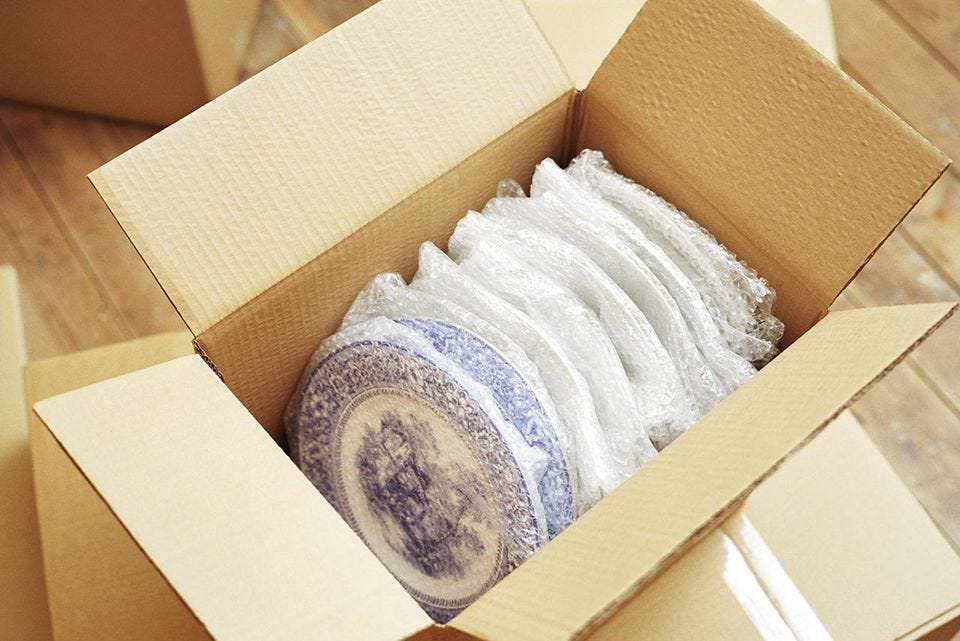
Pros: Provides excellent cushioning and is easy to use. Bubble wrap is ideal for wrapping individual items and adding layers of protection in boxes. For best results, wrap bubble-side inward to create a tight fit around objects.
Cons: Not eco-friendly and can take up considerable space. It’s also relatively expensive compared to other options and can create static electricity, which may be harmful to electronics unless using anti-static versions.
Packing Paper
Pros: Affordable, versatile, and more eco-friendly than bubble wrap. It’s best for wrapping small items and providing padding without adding bulk. Unprinted paper is particularly useful because it avoids the risk of ink transfer.
Cons: Offers less protection than bubble wrap for extremely fragile items. It’s also less effective against sharp objects, which may break through the paper during transit.
Foam Inserts
Pros: Moldable and excellent for cushion-sensitive electronics or artwork. Foam inserts create a perfectly fitted layer around an item. They’re especially suitable for fragile collectibles, cameras, and musical instruments.
Cons: Expensive and not reusable in most cases. Foam-in-place can also be tricky to handle and requires proper ventilation if used as a spray foam solution.
Sturdy Boxes
A good move starts with strong boxes. Cheap, flimsy boxes can collapse under pressure or puncture easily, putting fragile contents at risk. Opt for double-walled cardboard boxes or specialty dish and glass pack boxes.
Another thing to consider is matching box size to contents—too large, and the items shift; too small, and there’s inadequate cushioning room. Specialty boxes like wardrobe boxes and telescoping mirror boxes offer tailored protection that generic boxes cannot match.
For a full breakdown of the materials you’ll need, check out our comprehensive Packing Materials List for Moving.
Step-by-Step Guide: Packing Fragile Items
Following a clear process when packing reduces the chance of damage and creates a more organized and easier-to-unpack move. Rushing through this step or packing haphazardly can undo all your preparation efforts. Stay patient, and don’t skimp on safety.
- Step 1: Wrapping Fragile Items Properly
Begin with a clean, flat surface. For each item:- Wrap separately in paper or bubble wrap, even for items of a matching set.
- Use multiple layers if the item is especially delicate or has sharp corners.
- Secure the wrapping with tape to maintain coverage.
- Consider using color-coding to differentiate items from different rooms for easier unpacking.
- Delicate items like crystal glasses or figurines should have air pockets wrapped securely around them.
- Step 2: Lining Boxes and Placing Items Inside
- Add a thick layer of crumpled paper or foam peanuts to the bottom of the box.
- Place the heaviest items at the bottom and lighter items on top.
- Fill gaps between items with additional paper or foam for added stability.
- If possible, pack items of similar weight and fragility together to reduce movement and keep the box manageable.
- Step 3: Using Dividers and Cushioning
- Use cardboard dividers for dishware, glasses, and bottles.
- Each section of the divider should be packed with cushioning for safe separation.
- Egg cartons can be used for transporting very small, breakable items like Christmas ornaments.
- Step 4: Sealing and Labeling
- Seal each box with high-quality packing tape, ensuring all seams are secure.
- Clearly label each box as “Fragile” and include the contents to avoid unnecessary handling.
- Use brightly colored labels or stickers to draw immediate attention to fragile boxes.
- Notate which side is up and include an arrow symbol to guide proper placement and avoid accidental inversion.
Common Mistakes to Avoid When Packing Fragile Items
Knowing what not to do is just as important as knowing what to do. Here are some common pitfalls to steer clear of:
- Overpacking: This can lead to crushed or cracked items. Always leave room for cushioning.
- Underpacking: Loose items move more. Make sure everything is securely stacked and padded.
- Reusing old boxes: While great for the environment, boxes lose rigidity over time. Weak boxes equal weak protection.
- Using the wrong materials: Newspapers can smudge ink, and towels might shift in transit. Opt for materials specifically designed for moving.
- Ignoring weight distribution: A box that’s too heavy on one side can topple or rotate during the move. Distribute weight evenly for stability.
- Not testing boxes: Ensure you’ve closed the box fully and tested lifting it before sealing. If it buckles or creaks, the packaging is inadequate.
Interested in eco-responsible solutions? Learn how to pack your fragile items without harming the environment in our guide on How to Make an Eco-Friendly Move.
How Professional Movers Handle Fragile Items
While DIY can save money, professional movers are trained in best practices that significantly reduce risks. At Atlanta Moving Company, we provide specialty services for handling fragile items that go way beyond standard box loading:
- Custom Crating: For sculptures, oversized glass, or artwork. Each crate is custom-built to the object’s dimensions, ensuring a snug, damage-resistant fit.
- White-Glove Service: Careful transport using padding, straps, and climate-controlled environments for temperature-sensitive items.
- Inventory and Label System: Ensures accountability and organized tracking. Our digital checklists and photographic records give you full visibility of every item.
We’ve helped countless families, businesses, and students manage safe and stress-free relocations. Whether you’re moving with roommates and want to ensure fragile goods are divided clearly, or you’re coordinating an office move with multiple sensitive machines, our Moving with Roommates guide and Choosing a Moving Company for My Office resources are here to help.
Cost Considerations and Budgeting for Fragile Packing
High-quality moving supplies and professional help come at a cost, but investing here can prevent loss that’s even more costly. From specialty boxes to professional packaging services, knowing what to expect financially is crucial for planning smart. For detailed cost forecasting, visit our helpful guide on How to Estimate Your Moving Expenses.
Some companies offer moving kits complete with boxes, tape, cushioning, and labels—often at discounted rates compared to buying individually. It may also be worthwhile to budget for temporary storage or insurance for high-value fragile goods. Professional packing services may seem like a splurge but can be a smart investment, especially when dealing with expensive or irreplaceable items.
Frequently Asked Questions
What are the safest materials for packing fragile items?
Bubble wrap and foam inserts are generally considered the safest due to the cushioning they provide. However, for eco-conscious movers, packing paper used strategically can be both safe and green.
Can I use towels or clothing to pack fragile items?
Yes, but it’s usually better to use those as secondary padding. Clothing can shift during the move, making your items unsettled and more prone to breakage. Always use professional-grade materials for key layers of protection.
Should electronics be packed differently than glassware?
Yes. Electronics require not just impact protection but also safeguards from dust, moisture, and static. Anti-static bubble wrap, original boxes, or foam inserts are best for electronics, while glassware benefits more from dividers and paper wrapping.
How soon should I start packing fragile items before a move?
Ideally, start 2–3 weeks before your move. Fragile items often take longer to pack properly, and rushing this process increases the risk of errors.
Is insurance necessary when moving fragile items?
Yes, especially for high-value or irreplaceable goods. Most moving companies offer insurance options, and homeowners’ policies can cover certain items if listed.
Conclusion
Packing fragile items doesn’t have to be a nerve-racking challenge. With the right materials, techniques, and possibly professional help, you can reduce risk and protect the valuables that matter most. Atlanta continues to be a thriving relocation hub, and while some people ask, “Is Atlanta safe to live in?” the real focus for movers should be proper preparation for every aspect of the move—including safe packing practices. The Atlanta crime rate 2025 might be part of your consideration, but when it comes to protecting your belongings during a move, you hold the keys to success in your hands—literally, with each carefully packed box.
Whether you’re moving your household, your business, or just a room, our professionals at Atlanta Moving Company are ready to help. Reach out to us to learn how our expert team ensures even your most fragile possessions arrive safe and sound. Peace of mind is just a smart packing strategy away.