
Introduction
Moving to a new home can be both an exciting and daunting experience. While the excitement of a fresh start is invigorating, the logistics involved can be overwhelming—especially when it comes to packing. With dozens of tasks demanding your attention, knowing how to pack for a move efficiently and effectively is crucial. That’s where having an ultimate moving guide and a comprehensive packing checklist for moving comes in handy. This blog post is your go-to resource for stress-free packing for moving. From initial decluttering to the final seal on your moving boxes, we cover all bases to ensure nothing is left behind and everything arrives in perfect condition.
Why You Need a Packing Checklist
A detailed checklist isn’t just a convenience—it’s a necessity. Packing is one of the most time-consuming aspects of moving, and forgetting even one critical item or step can cause major delays. A checklist ensures:
- You don’t forget important items.
- You remain organized during the chaos of moving.
- You can track progress.
- You optimize the unpacking process in your new home.
Following a comprehensive packing checklist for moving significantly reduces your stress and gives you peace of mind. A checklist also helps assign tasks to different household members, whether it’s your spouse, roommate, or kids, keeping everyone accountable and contributing to the overall progress of your move.
Declutter Before You Pack
Start your packing process with a serious decluttering session. There’s no point in boxing up items you no longer use or need. Not only does this reduce your load (and possibly your moving costs), but it also gives you a fresh, clutter-free start in your new space. It also allows you to reevaluate your belongings and even rediscover long-forgotten keepsakes or items hidden in storage.
How to Declutter Efficiently
- Go room by room to avoid getting overwhelmed, tackling smaller spaces like bathrooms and closets first for quick wins.
- Sort items into four piles: Keep, Donate, Sell, and Toss.
- Don’t second-guess your initial instincts—if you haven’t used it in a year, it’s time to let it go.
- Host a garage sale or list items online for extra cash before the move.
- Utilize donation services that offer home pick-up to make the process even easier.
Gather Essential Packing Supplies
Having the right materials at your fingertips can make or break your packing experience. Don’t skimp on quality—cheap boxes and weak tape can lead to damage to your valuable items. Invest in good supplies ahead of time to prevent last-minute shopping trips or breaks in packing momentum.
Must-Have Packing Supplies:
- Sturdy boxes in various sizes – Small boxes for books, larger ones for pillows and bedding.
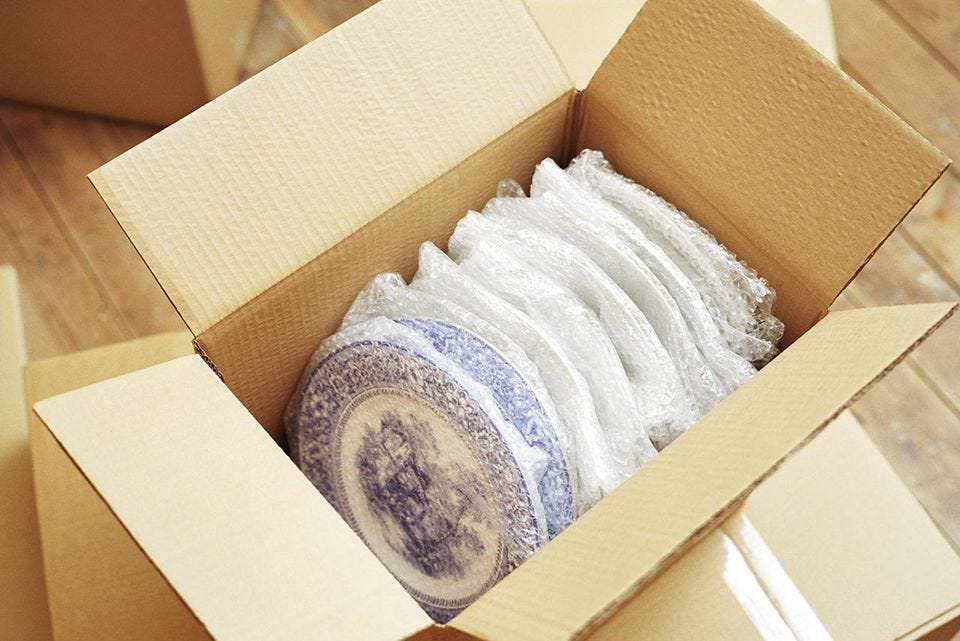
- Bubble wrap and packing paper to protect fragile items like glassware, decor items, and delicate electronics.
- Heavy-duty packing tape for secure seals and reinforced bottoms of heavy boxes.
- Permanent markers for labeling both contents and the destination room.
- Labels or colored stickers for a color-coded system that complements specific rooms.
- Ziplock bags for small components like screws and cords. Label and tape them to related items (like furniture or electronics).
- Stretch wrap to protect furniture surfaces and keep drawers shut during transport.
- Furniture pads and blankets to prevent scratches and dings on larger items.
Room-by-Room Packing Guide
One of the smartest moving tips and tricks is to pack based on individual rooms. This keeps your packing organized and greatly simplifies the unpacking process. Labeling and grouping boxes from the same room ensures you won’t have kitchen tools scattered among bathroom supplies.
Living Room
- Disassemble electronics and photograph wire setups so reassembly is fast and accurate.
- Wrap delicate items like decorative vases and picture frames in bubble wrap or blankets.
- Use original boxes for tech gear when possible for the best fit and cushioning.
- Use furniture sliders to move heavy sofas and tables without damaging floors or injuring yourself.
Kitchen
- Use dish pack boxes and ample padding for fragileware like dishes, bowls, and drinking glasses.
- Group similar items together—keep baking tools with baking pans and cooking utensils with pots.
- Secure lids and tape small items together, such as matching Tupperware sets or spice jars.
- Dispose of perishable items a few days before moving and donate unopened pantry goods.
Bedrooms
- Use vacuum bags to compress clothing and create extra space in boxes or bins.
- Label bedding and linen bags by room—this makes it easier to set up beds promptly at your new place.
- Pack jewelry in egg cartons or snack-size baggies to prevent tangling or misplacement.
- Roll clothing items instead of folding to save space and reduce wrinkles.
Bathroom
- Seal cosmetics and liquid containers with tape and pack them upright in waterproof bins.
- Pack towels and toilet paper separately for first-day access. Mark this box clearly as “Open First.”
- Place small items like razors and hair accessories in pouches or labeled bags to avoid loss.
Labeling Like a Pro
Proper labeling can significantly cut down on the chaos when you arrive at your new place. Well-labeled boxes not only help movers place them in the correct rooms, but they also make it easier for you to find everyday items quickly.
Color-Coded System
- Assign each room a color (e.g., kitchen – red, bathroom – blue, bedroom – green).
- Use colored tape or stickers to match boxes to rooms efficiently.
- Label the contents clearly on the side and top of each box using brief but specific descriptions (e.g., “KITCHEN – Pots & Pans”, “BATHROOM – Towels & Soap”).
Pro Tip:
Use an inventory app or number boxes and maintain a spreadsheet that describes contents and destination rooms. Not only does this help during unpacking, but it’s also helpful for filing moving insurance claims if something goes missing.
Pack an Essentials Box
Imagine arriving at your new home after a long moving day only to start digging through boxes to find your toothbrush or a phone charger. Avoid this by preparing a first-night essentials box. This should travel with you in your car or be the first box you unpack upon arrival.
What to Include:
- Toiletries (soap, shampoo, toothbrush, toothpaste)
- A change of clothes and sleepwear
- Bed linens or a sleeping bag if your bed isn’t set up the first night
- Snacks and bottled water
- Electronics and chargers
- Important documents and ID
- Phone, wallet, keys, medications, and any pet supplies if applicable
Protecting Valuables and Special Items
Special items such as jewelry, documents, and small electronics should be packed with extra care. Protecting these items prevents not only financial loss but also emotional distress connected to irreplaceable items.
- Carry valuable documents and jewelry with you, not in the moving truck.
- Use padded containers or safes for fragile, expensive items.
- Photograph antiques and other valuables for insurance documentation.
- Label boxes with nondescript terms like “Office Supplies” instead of “Valuable Items.”
Packing Electronics: A Step-by-Step
Here’s another top moving tip and trick: properly preparing your electronics can save you hours and money. Sensitive electronics can be damaged by static, drops, or temperature changes, so care is essential.
Steps:
- Take photos of wiring setups before unplugging anything to ensure easy reassembly.
- Label cords using masking tape or cord labels and keep them in separate bags for each device.
- Use original boxes when possible, or wrap with bubble wrap and cushion in double-walled boxes.
- Pack lithium-ion batteries separately or remove them if necessary, as some moving companies restrict them.
- Mark “FRAGILE” and “THIS SIDE UP” labels clearly on electronic boxes.
Final Packing Checklist (Your Ultimate Moving Guide)
- Declutter your belongings by sorting them into Keep, Donate, Sell, Toss.
- Buy the right packing materials—quality boxes, tape, labels, etc.
- Pack room by room and label as you go.
- Color-code your labels by room and list contents on each box.
- Prepare an essentials box for the first night.
- Keep valuables and documents with you.
- Photograph and protect electronics and fragile items.
- Keep your checklist handy and track your packing progress.
Frequently Asked Questions
What is the most efficient way to pack for a move?
The most efficient way to pack is to plan early, declutter thoroughly, and pack room by room, using quality supplies and clear labeling systems. Always pack a box of essentials and never forget to keep important documents and valuables close.
How early should I start packing before a move?
Start packing non-essentials six to eight weeks before your move. Reserve the final two weeks for day-to-day items, and leave the last day for essentials and cleaning supplies. This timeline allows you to handle unforeseen delays without panic.
What’s the best method to ensure a stress-free move?
Follow a structured checklist, remain organized, give yourself ample time, and hire professional movers if necessary. Packing is manageable when broken down systematically. Also, consider having a moving day kit with water, snacks, tools, tape, and an all-purpose cleaner.
How do I pack fragile items like glassware and electronics?
Use bubble wrap and sturdy boxes. For electronics, take photos of cable management and wrap screens in soft cloths or padding. Always mark boxes as “Fragile.” Consider double-boxing glassware and using cell dividers for drinkware items.
Conclusion
Moving doesn’t have to be a stressful, chaotic process. By following this ultimate moving guide and adhering to a detailed packing checklist for moving, you greatly reduce the chance of errors, loss, and delays. Begin early, tackle one room at a time, keep only what you truly need, and pack smart using the right materials. Pay special attention to details like labeling and preparing a first-night essentials kit for a smooth transition. With these moving tips and tricks, your relocation in 2025 can be a successful and memorable new chapter in your life. Happy moving!